
AI Coding Interviews in 2026: What Hiring Teams Actually Test
Coding interviews in 2026 still reward the same core habits that strong engineers have always used, but the signal interviewers want has changed. They no longer care only about whether you can memorize patterns or type a solution from scratch. They care about whether you can frame a problem, choose a practical approach, verify correctness, and stay accountable when AI tools are part of the workflow.
That shift matters because modern development is no longer a solo typing exercise. GitHub Copilot now spans editor suggestions, agent mode, terminal workflows, and cloud-based task execution. Claude Code can read a codebase, edit files, run commands, and work across terminal, IDE, desktop, and browser surfaces. Even browser agents such as OpenAI Operator show how far task execution has moved beyond autocomplete. Interviewers know this reality, so they are increasingly testing judgment rather than raw keystroke speed.
Modern interviews test thinking, review, and verification as much as implementation
The first skill hiring teams watch closely is problem framing. Before you write code, can you restate the prompt clearly, identify constraints, and ask the right clarifying questions? That behavior signals maturity. A candidate who jumps directly into implementation may finish faster in a short practice round, but the candidate who slows down, narrows the scope, and sets up a clean solution path usually performs better in real interviews and on the job.
The second skill is decomposition. Interviewers want to see you break a problem into manageable pieces, choose data structures deliberately, and explain why your design is reasonable for the expected scale. If you are solving a string or array problem, they expect you to discuss edge cases, complexity, and tradeoffs. If the prompt becomes a system design or AI product question, they expect you to talk about data flow, latency, cost, evaluation, and failure modes.
The third skill is validation. AI tools can draft code quickly, but they can also introduce subtle mistakes. Strong candidates therefore build a habit of checking assumptions with examples, writing quick tests, and tracing the logic end to end. In an interview, saying 'I would verify this with a few small test cases before moving on' is a sign of engineering discipline, not hesitation. It shows that you own correctness rather than outsourcing it to the model.

A clear plan is often worth more than a fast first draft
AI project questions now show up in many interviews, even for roles that are not purely machine learning positions. When that happens, do not hide behind buzzwords. Give a simple structure: what problem you solved, what data you used, how you measured success, what broke in production, and what you changed after learning from users. That format works because it proves you understand the full lifecycle of an AI feature, not just the demo layer.
Hiring teams also care about how you use AI tools ethically and effectively. It is fine to say you use Copilot or Claude Code to move faster, but pair that with a clear statement that you always review generated code, understand the implementation, and run tests before trusting the result. That balance is exactly what good managers want: speed with accountability.
If the interview includes system design, the bar rises further. For AI-backed products, candidates should discuss retrieval quality, prompt budgets, latency, cost, observability, privacy, and guardrails. A polished answer might mention caching, fallback paths, rate limits, and evaluation pipelines. The goal is not to sound fancy. The goal is to show that you can ship AI features that stay useful after the demo ends.
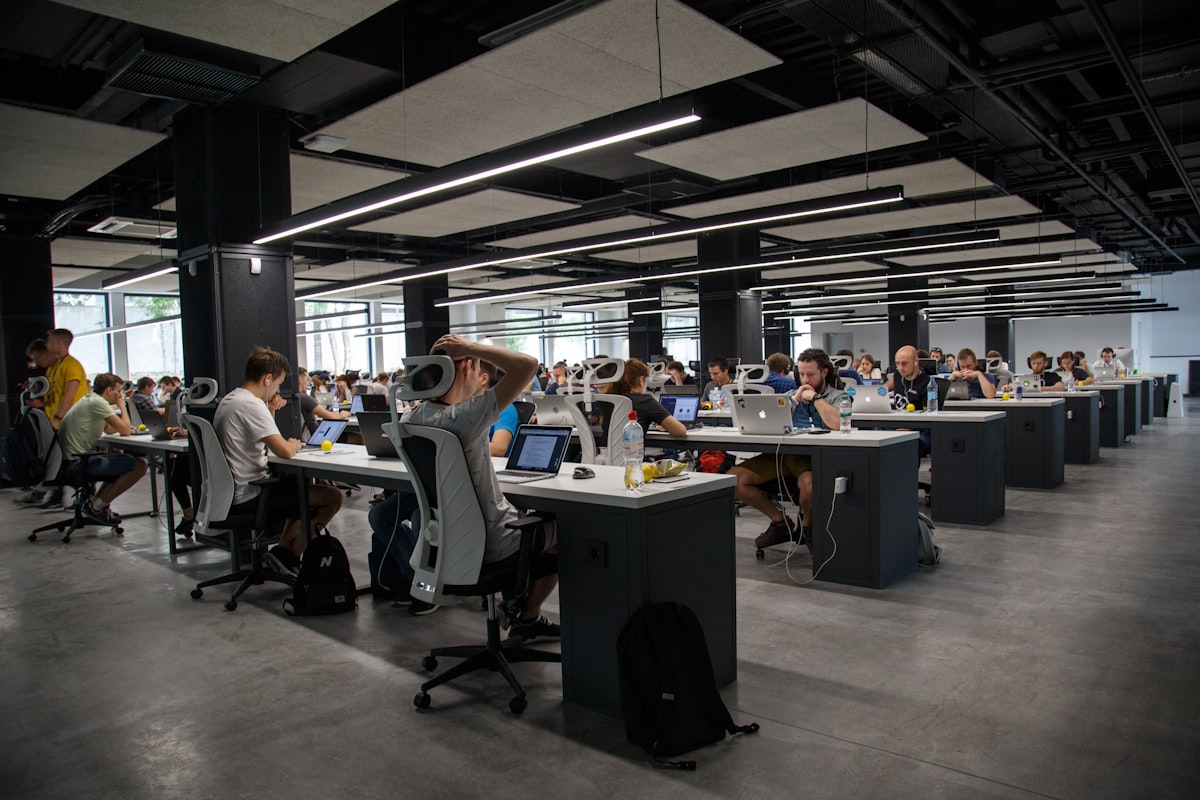
Strong interview answers connect implementation details to production tradeoffs
Preparation should reflect this new reality. Practice solving a few problems without AI first so your fundamentals stay sharp. Then practice with AI as a pair programmer: ask it to generate scaffolding, but force yourself to inspect the output, explain the design, and improve the code. That combination mirrors how many real teams work today and prepares you for interview conditions that value judgment over memorization.
The most important takeaway is simple. AI has changed the interview surface area, but it has not replaced engineering thinking. The candidates who stand out are the ones who can reason clearly, communicate tradeoffs, verify outputs, and adapt when the problem gets messy. That is still the job, and in 2026 it matters more than ever.
Visual Notes
